Zambia Council for Social Development
About us.
Who we are · A national civil society umbrella organisation formed in 1974.

Informed · Empowered · Independent · Collaboration · Participation
Background of the Organisation
1974
ZCSD was formed in 1974 and registered under the Registrar of Societies in 1975.
Background
The Zambia Council for Social Development (ZCSD) was established in 1974 by the Government of Zambia and registered under the Registrar of Societies, Cap. 119 of the Laws of Zambia, in 1975. Initially, ZCSD was hosted by the Ministry of Community and Social Welfare, which served as its parent ministry.
ZCSD was established to promote a vibrant, coordinated and collaborative civil society sector, addressing the fragmentation and segmentation that existed among Non-Governmental Organisations (NGOs), Community-Based Organisations (CBOs), Faith-Based Organisations (FBOs) and other civil society actors. Through its network model, these organisations could affiliate with ZCSD, collaborate, share knowledge and collectively engage in addressing social and development challenges affecting communities.
Over the years, ZCSD has also contributed to the development of specialised social protection institutions. For example, it facilitated the creation of the Zambia Agency for Persons with Disabilities (ZAPD) to specifically address disability-related issues that had previously been handled through ZCSD's work on behalf of government.
Today, ZCSD continues to serve as a national platform for civil society organisations, promoting collaboration, networking, advocacy and sustainable socio-economic development. Its work is guided by its vision of improved lives for vulnerable people and its mission to promote and facilitate sustainable socio-economic development through collaboration and networking among NGOs, CBOs, partners and other stakeholders.
Organisation
Nature and Description of the Organisation
Building on its historical role as a platform for coordination and networking within the civil society sector, the Zambia Council for Social Development (ZCSD) is a membership-based organisation that brings together civil society organisations across Zambia. ZCSD currently has a membership of more than 100 NGOs, with members distributed across all ten provinces of the country. At provincial level, ZCSD works through Provincial Liaison Organisations (PLOs), which are selected member CSOs that facilitate linkages, communication and collaboration among ZCSD members within their respective provinces. This structure enables ZCSD to maintain a broad national reach while strengthening coordination at local and provincial levels.
ZCSD's core role is to strengthen linkages, collaboration, information sharing and collective action among NGOs, Community-Based Organisations (CBOs), Faith-Based Organisations (FBOs) and other civil society actors at district, provincial and national levels. Through these networks, ZCSD creates opportunities for civil society organisations to share experiences, address common challenges and collectively engage with government, development partners and other stakeholders on issues affecting communities and national development.
ZCSD also connects Zambia's civil society sector to regional and international civil society networks, providing opportunities for members to engage in broader development, governance and civic participation processes. Through its participation and membership in regional and international networks, ZCSD facilitates the exchange of knowledge, experiences and opportunities that can benefit civil society organisations in Zambia and contribute to national development.
As a national civil society platform, ZCSD provides technical support, advisory services, capacity building, mediation and organisational support to district and provincial CSOs. These interventions are aimed at strengthening the capacity of civil society organisations to participate effectively in democratic processes, engage decision-makers, undertake advocacy and contribute to policy development and reform. ZCSD also supports platforms and social and economic movements that promote public awareness, citizen participation and engagement on social and economic issues.
At the national level, ZCSD works to promote, support and protect an independent, informed and empowered civil society that can effectively participate in and influence policy and decision-making processes. The organisation recognises that an effective civil society sector requires organisations that are able to operate independently, collaborate across different levels and constituencies, generate and share knowledge, and meaningfully engage with government and other stakeholders.
In this regard, ZCSD's membership and network structure remain central to its mandate of promoting a vibrant, coordinated and well-connected civil society sector in Zambia, enabling CSOs to collectively contribute to democratic governance, social accountability, sustainable development and improved outcomes for communities.
SADC Council of NGOs
CIVICUS
AWG
IFP
Direction
Vision. Mission.
Vision
Improved lives for the vulnerable.
Improved lives for the vulnerable where people are healthy, educated, motivated, and empowered to make informed choices.
Mission
Promoting sustainable development.
Promoting and facilitating sustainable, socio-economic development through collaboration and networking among Non-governmental Organisations (NGOs), Community Based Organisations (CBOs), partners and other stakeholders.
Our people
Meet the Team
The team behind ZCSD's coordination, administration and financial management.
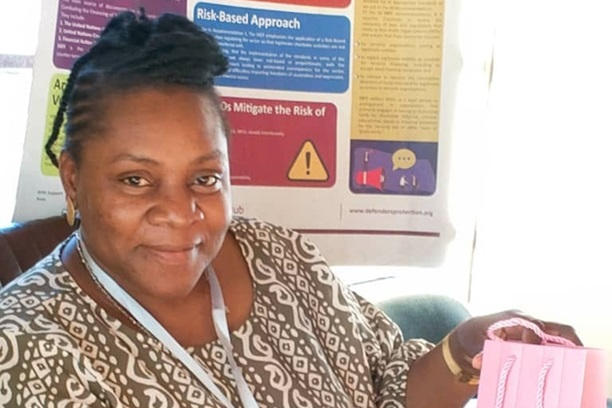
01
Leah Diana Mitaba
Executive Director
02
Miyamo Chayu Hang'andu
Business and Finance
03
Zebbies Mumba
Programmes Manager
04
Mwaba Emmanuel Nonde
Programmes Officer
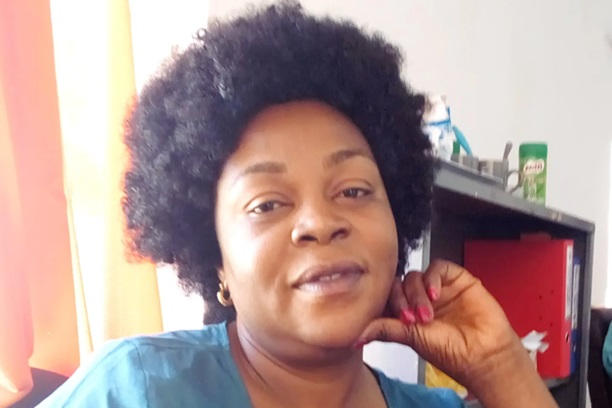
05
Sylvia Banda Mabingo
Administration Officer
06
Keene Moonga
Logistics Officer

Working together
Building linkages across civil society.
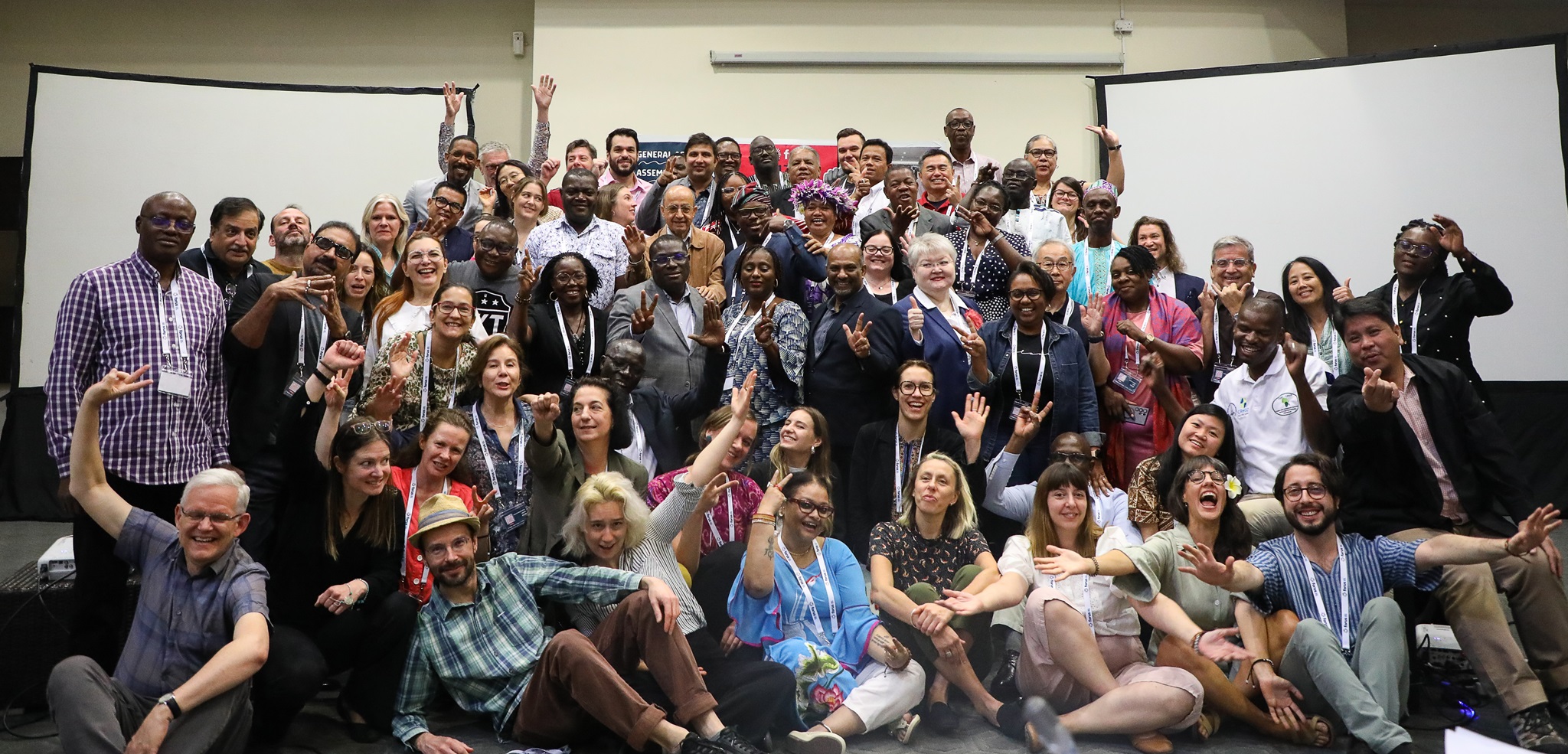
ZCSD operates nationally, connecting organisations and strengthening collaboration among member CSOs.
Civil society
Informed. Empowered. Independent.
ZCSD believes that to make a real difference in furthering the democratic process and developing Zambia, civil society organizations need to be informed, empowered and independent.